
Types of Plastics Used in Two-Wheeler Manufacturing
The two-wheeler industry has changed a lot over time. Now plastics play a role in making motorcycles and scooters. Plastics help with performance, durability, cost and how things look. From body panels to parts plastics are really important in making two-wheelers.
In this guide we will look at the kinds of plastics used in two-wheelers. We will talk about what they’re used for and why manufacturers like to use them.
Why Plastics Are Used in Two-Wheelers
Before diving into the types, it’s important to understand why plastics have become so popular in the automotive sector.
1. Lightweight Advantage
Plastic parts are lighter than metal parts. This helps with fuel efficiency, handling and overall performance.
2. Cost-Effective Production
Plastics are easier and cheaper to manufacture, especially when using processes like injection molding. This helps manufacturers keep production costs low.
3. Design Flexibility
Plastics can be molded into shapes. This allows for designs and stylish body panels.
4. Corrosion Resistance
Unlike metal plastics do not rust. This makes them perfect for use outside.
5. Impact Resistance
Certain plastics can absorb shocks and resist minor impacts, protecting internal components.
What Kinds of Plastics Are Used in Two-Wheelers?
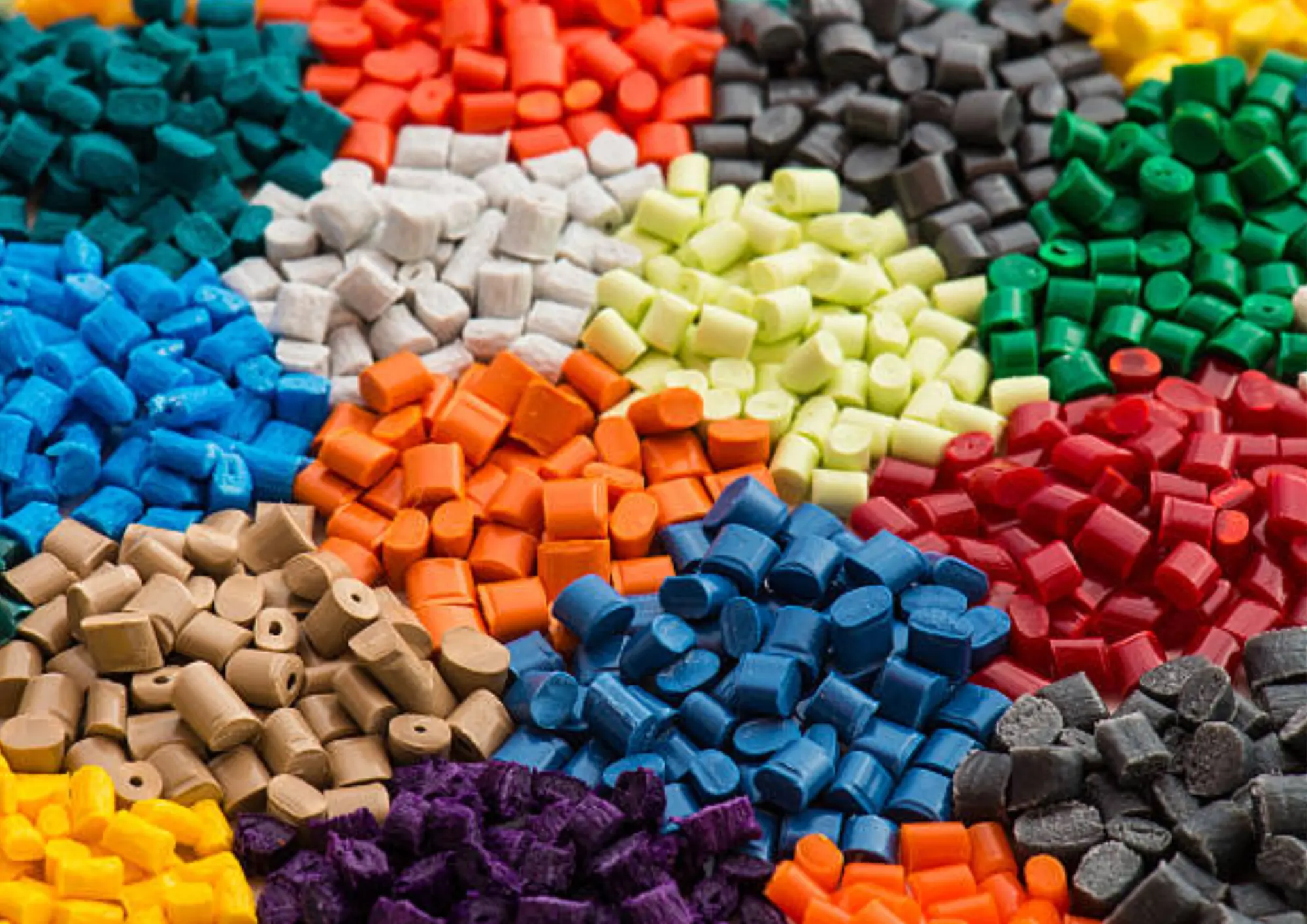
Different parts of a bike or scooter need properties. So manufacturers use kinds of plastics. Let’s look at the common ones.
1. Polypropylene (PP)
Polypropylene is one of the most widely used plastics in two-wheelers.
Key Properties:
- Lightweight
- Excellent chemical resistance
- Good flexibility
- Cost-effective
Applications:
- Side panels
- Battery covers
- Inner body parts
Why It’s Used:
Polypropylene is ideal for parts that require flexibility and durability without adding extra weight. It also performs well in varying weather conditions.
2. Acrylonitrile Butadiene Styrene (ABS)
ABS is a strong and rigid plastic commonly used in visible exterior parts.
Key Properties:
- High impact resistance
- Smooth surface finish
- Good strength and rigidity
- Easy to paint and polish
Applications:
- Front fairings
- Headlight housings
- Mudguards
Why It’s Used:
ABS is perfect for parts that need both strength and a premium look. Its smooth finish allows for high-quality paint jobs, making it popular in stylish designs.
3. Polycarbonate (PC)
Polycarbonate is known for its transparency and toughness.
Key Properties:
- High impact resistance
- Transparent or translucent
- Heat resistant
- Durable
Applications:
- Headlight lenses
- Indicator covers
- Instrument clusters
Why It’s Used:
Polycarbonate is almost unbreakable compared to glass, making it ideal for lighting components that require clarity and durability.
4. Polyamide (Nylon)
Polyamide, commonly known as nylon, is used in parts that require strength and wear resistance.
Key Properties:
- High mechanical strength
- Heat resistance
- Low friction
- Good wear resistance
Applications:
- Gears
- Bushings
- Engine components
Why It’s Used:
Nylon performs well in high-stress and high-temperature environments, making it suitable for internal mechanical parts.
5. Polyethylene (PE)
Polyethylene is a versatile plastic used in various applications.
Key Properties:
- Flexible
- Chemical resistant
- Moisture resistant
- Durable
Applications:
- Fuel tanks (in some models)
- Protective covers
- Containers
Why It’s Used:
Its resistance to chemicals and moisture makes it ideal for components exposed to fuels and oils.
6. Polyurethane (PU)
Polyurethane is commonly used for cushioning and protective parts.
Key Properties:
- Flexible or rigid (depending on formulation)
- Shock absorbing
- Abrasion resistant
Applications:
- Seat cushioning
- Foam padding
- Handle grips
Why It’s Used:
PU enhances comfort and absorbs vibrations, improving the riding experience.
7. Polyvinyl Chloride (PVC)
PVC is used for protective and insulation purposes.
Key Properties:
- Durable
- Weather resistant
- Electrical insulation
- Flexible
Applications:
- Wiring insulation
- Protective coatings
- Tubes and hoses
Why It’s Used:
PVC is excellent for electrical safety and protection against environmental factors.
8. Thermoplastic Elastomers (TPE)
TPE combines the properties of rubber and plastic.
Key Properties:
- Flexible
- Soft touch
- Recyclable
- Durable
Applications:
- Handlebar grips
- Footrests
- Seals
Why It’s Used:
TPE provides comfort, grip, and flexibility, making it ideal for rider contact areas.
Manufacturing Processes for Plastic Parts
The choice of plastic is only part of the story. The manufacturing process also plays a key role in determining quality and performance.
Injection Molding
This is the most common method used for producing plastic body parts. Molten plastic is injected into molds to create precise shapes.
Blow Molding
Used for hollow parts like fuel tanks.
Thermoforming
Plastic sheets are heated and shaped into components like panels.
Compression Molding
Used for high-strength components requiring durability.
Advantages of Plastic Components in Two-Wheelers
- Reduced vehicle weight
- Improved fuel efficiency
- Lower production costs
- Enhanced design possibilities
- Better resistance to corrosion and weather
Challenges of Using Plastics
Despite their advantages, plastics also have some limitations.
1. UV Degradation
Prolonged exposure to sunlight can cause fading and brittleness.
2. Lower Heat Resistance (in some plastics)
Certain plastics may deform under high temperatures.
3. Environmental Concerns
Plastic waste and recycling remain significant challenges.
Innovations in Plastic Materials
The automotive industry is constantly evolving, and plastic materials are no exception.
Reinforced Plastics
Glass fiber and carbon fiber reinforced plastics are being used for added strength.
Bioplastics
Eco-friendly alternatives derived from natural sources are gaining popularity.
Recycled Plastics
Manufacturers are increasingly using recycled materials to reduce environmental impact.
How to Identify High-Quality Plastic Parts ?
When purchasing replacement parts, consider the following:
- Check for manufacturer certification
- Look for uniform thickness and finish
- Avoid parts with visible cracks or rough edges
- Ensure proper fit and compatibility
Maintenance Tips for Plastic Body Parts
- Clean regularly with mild soap
- Avoid harsh chemicals
- Use UV protectants
- Park in shaded areas when possible
Future of Plastics in Two-Wheeler Manufacturing
The future of plastics in the two-wheeler industry looks promising. With advancements in material science, manufacturers are focusing on creating lighter, stronger, and more sustainable plastic components.
Electric two-wheelers, in particular, are driving innovation in lightweight materials to improve battery efficiency and range.
Conclusion
Plastics have revolutionized two-wheeler manufacturing by offering a perfect balance of performance, cost, and design flexibility. From polypropylene and ABS to advanced composites, each type of plastic serves a specific purpose in enhancing the overall functionality and aesthetics of motorcycles and scooters.
As the industry moves toward sustainability and innovation, the role of plastics will continue to expand, shaping the future of mobility in smarter and more efficient ways.